
Shall We Dance? – 4K Restoration
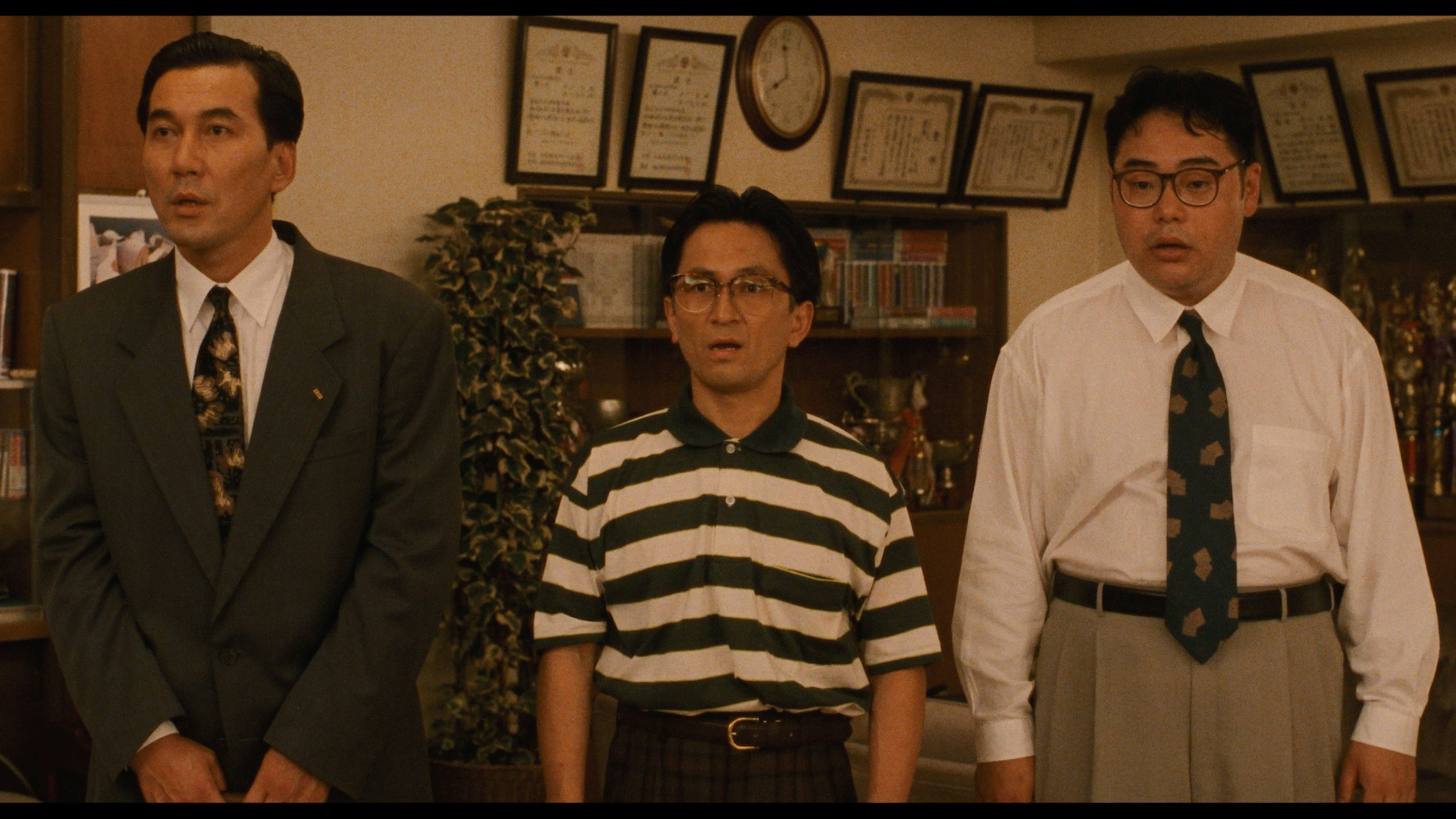
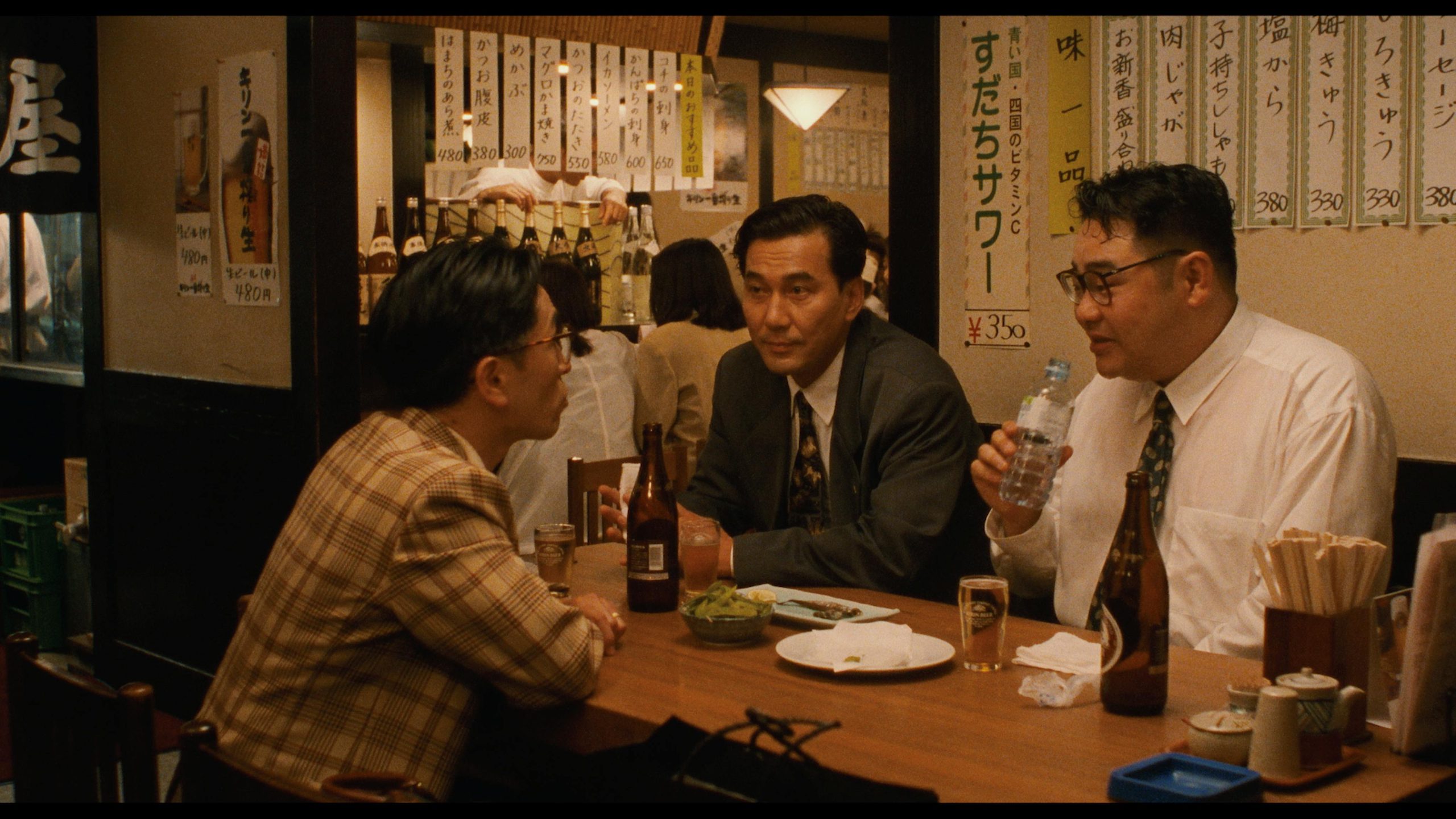
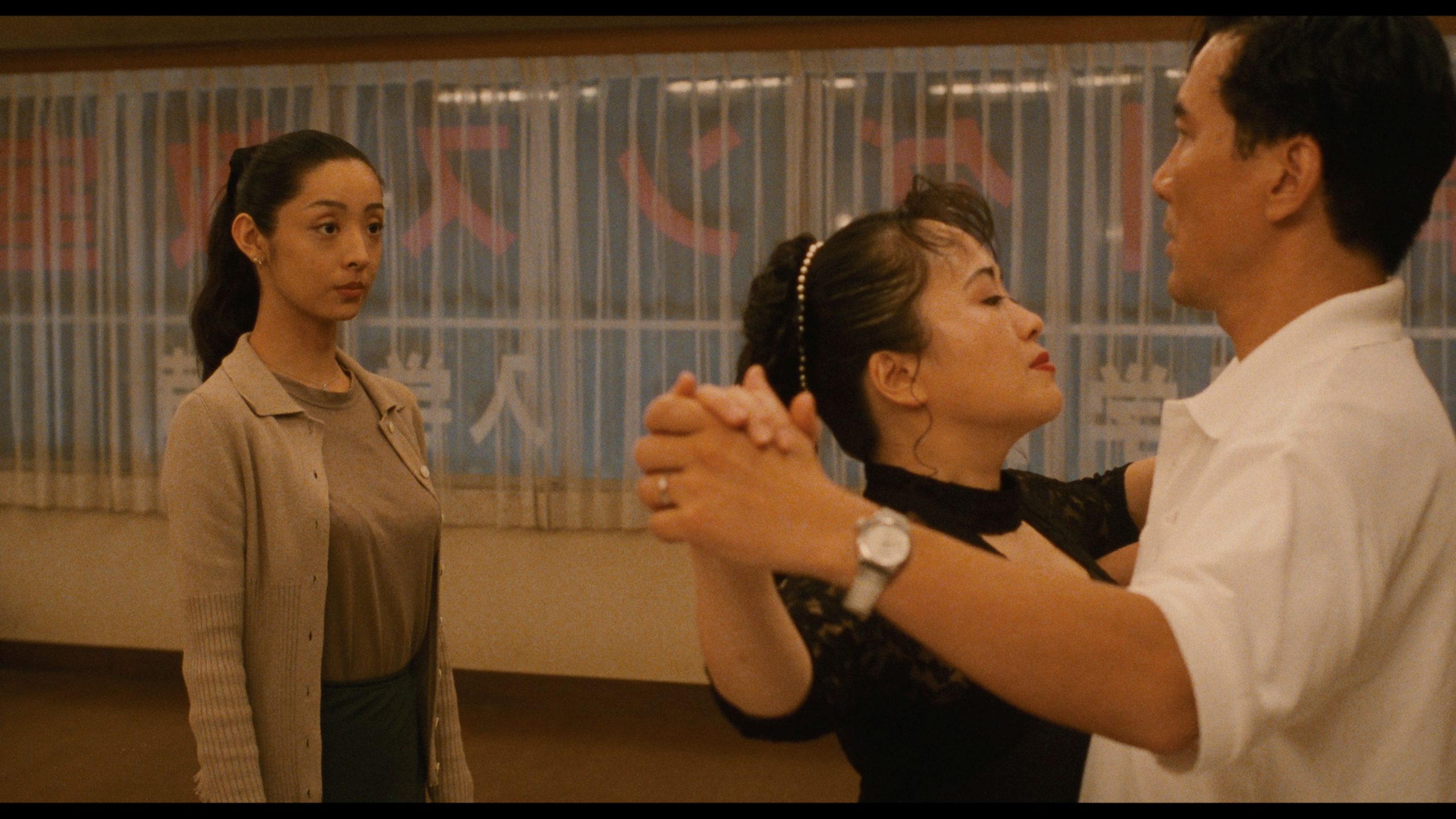
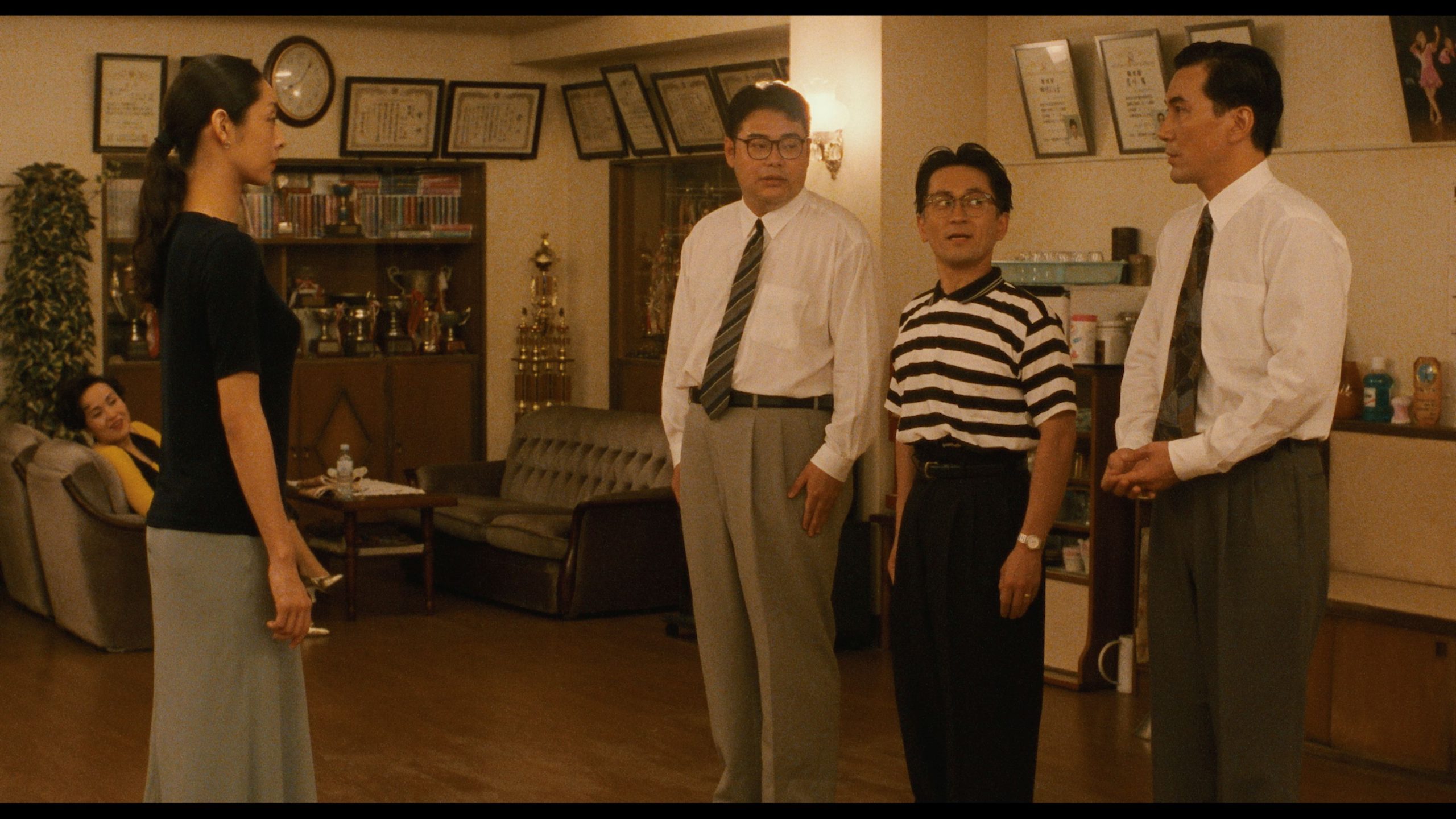
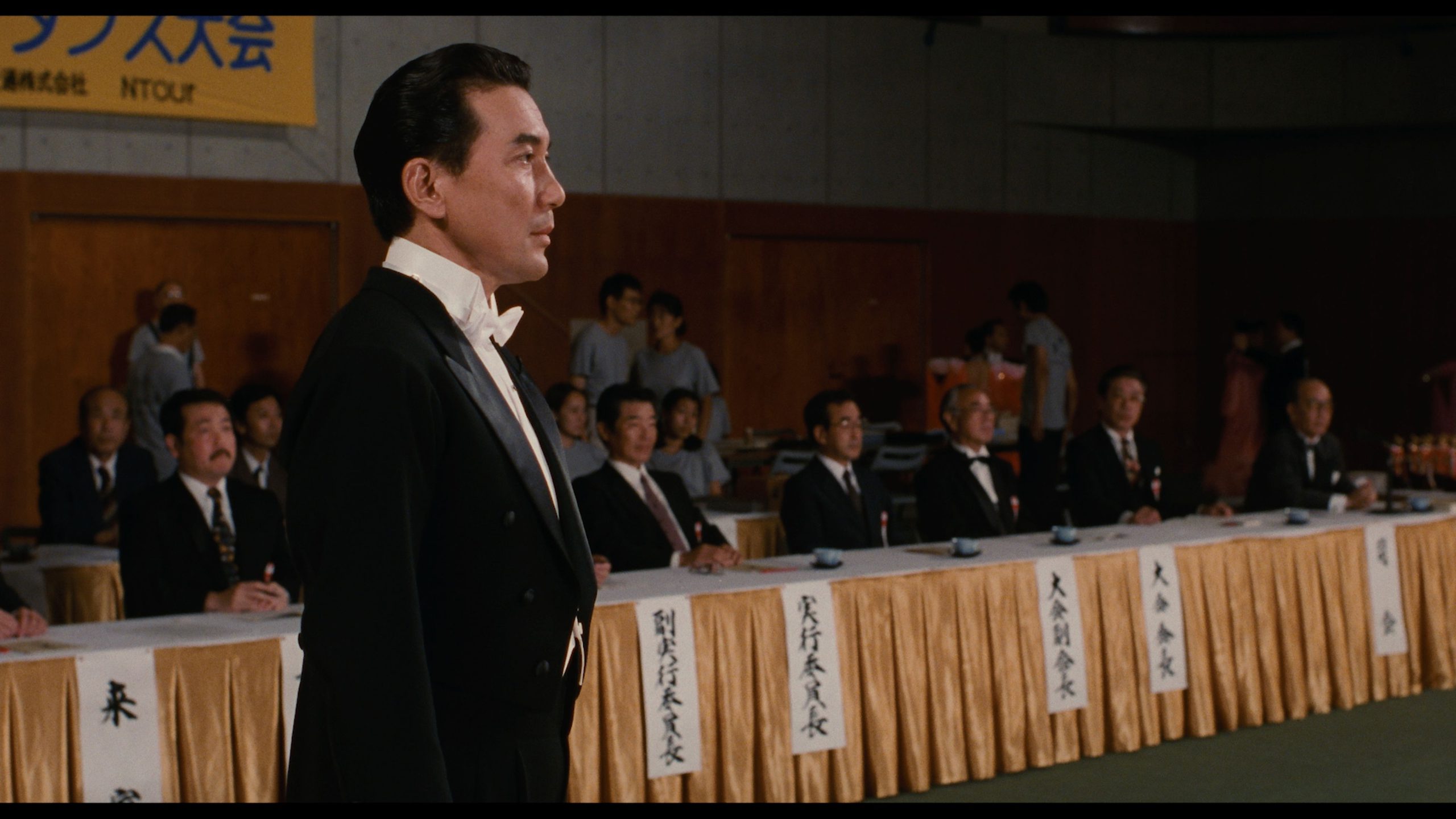
Shohei Sugiyama (Koji Yakusho) seems to have it all - a high-paying job as an accountant, a beautiful home, a caring wife and a doting daughter he loves dearly. However, he feels something is missing in his life. One day while commuting on the train he spots a beautiful woman staring wistfully out a window and eventually decides to find her. His search leads him head-first into the world of competitive ballroom dancing.
Shall We Dance? – 4K Restoration - Ciné Lumière, South Kensington
Saturday 17/10/2026 - 17:45
What does it take to step out of the everydayeverday and try something new? Masayuki Suo’s 1996 ballroom dancing romantic comedy Shall we Dance? shows us how. Recently restored in 4k from the original negative, it is can now be seen on the big screen in all its sequin clad, fox-trotting glory. To my mind it might be the perfect rom-com, drawing its familiar set of characters through embarrassment, error, self discovery and eventually to romantic awakening. It also provides an interesting snapshot of the cultural shadowing between Japan and Britain, both in terms of our shared love of shamelessly domesticating cultural forms from around the world (South American dance in this setting) and in terms of our need for socially acceptable spaces for physical contact with others. While things have changed in the 30 years since Shall We Dance? was made, for the British and Japanese alike, our collective love of embarrassment as the central pillar of comedy seems to be timeless

The immediate comparison that springs to mind is Baz Luhrman’s far more famous Strictly Ballroom, made four years earlier. While the Australian production has been more directly influential on the subsequent revival of competitive ballroom dancing in Britain, Shall We Dance? takes a more humanistic, grass roots look at dancing’s appeal. Our hero Shohei Sugiyama, played with great poise by Kōji Yakusho, begins not as a wronged prodigy seeking to regain his status as the best of the best, but as an unremarkable salary man, successful at work and with a happy family but lost and slipping into, if not depression, then perhaps melancholy. The film treats his malaise seriously; even as he begins to make a series of surprising decisions, some of which put his relationship with his family at risk, we are encouraged to recognise his urges as an expression of the soul. We have all felt something similar, the feeling of having to put aside our creativity in order to fit in, for the sake of our obligations. Of course this journey towards art and romance is disruptive to a great many societal norms, and is also where both the laughs and the deeper resonances of the story can be found.
The film itself frames the unusual place of ballroom dancing in Japanese culture in its opening sequence, explaining that, in the 1990s at least, it was considered somewhat disreputable, due to taboos around visible displays of affection between married couples. The history of ballroom in Japan had in fact been through several phases before this point. As the ethnographer Rie Karatsu has shown, western ballroom dancing was initially adopted by the Japanese aristocracy during the Meiji restoration as a socially acceptable way of interacting with foreign dignitaries. A huge ballroom, the Rokumeikan, was built in Tokyo in 1883 and became a symbol of westernisation in the city. As these things tend to, ballroom dancing became popular with the middle classes, and later still, by the mid 20th century, dancing’s reputation degraded as attitudes to western gaijin went through a series of changes. An added factor was that the dance was also adopted by the mizu-shōbai hostesses in “water trade” night clubs, who included a turn around the dance floor as part of their offering to male clients. The rise of mambo and disco further pushed ballroom to the fringes of popular culture, and by the mid 90s it was in Japan, as in the UK and Australia, something of an afterthought.
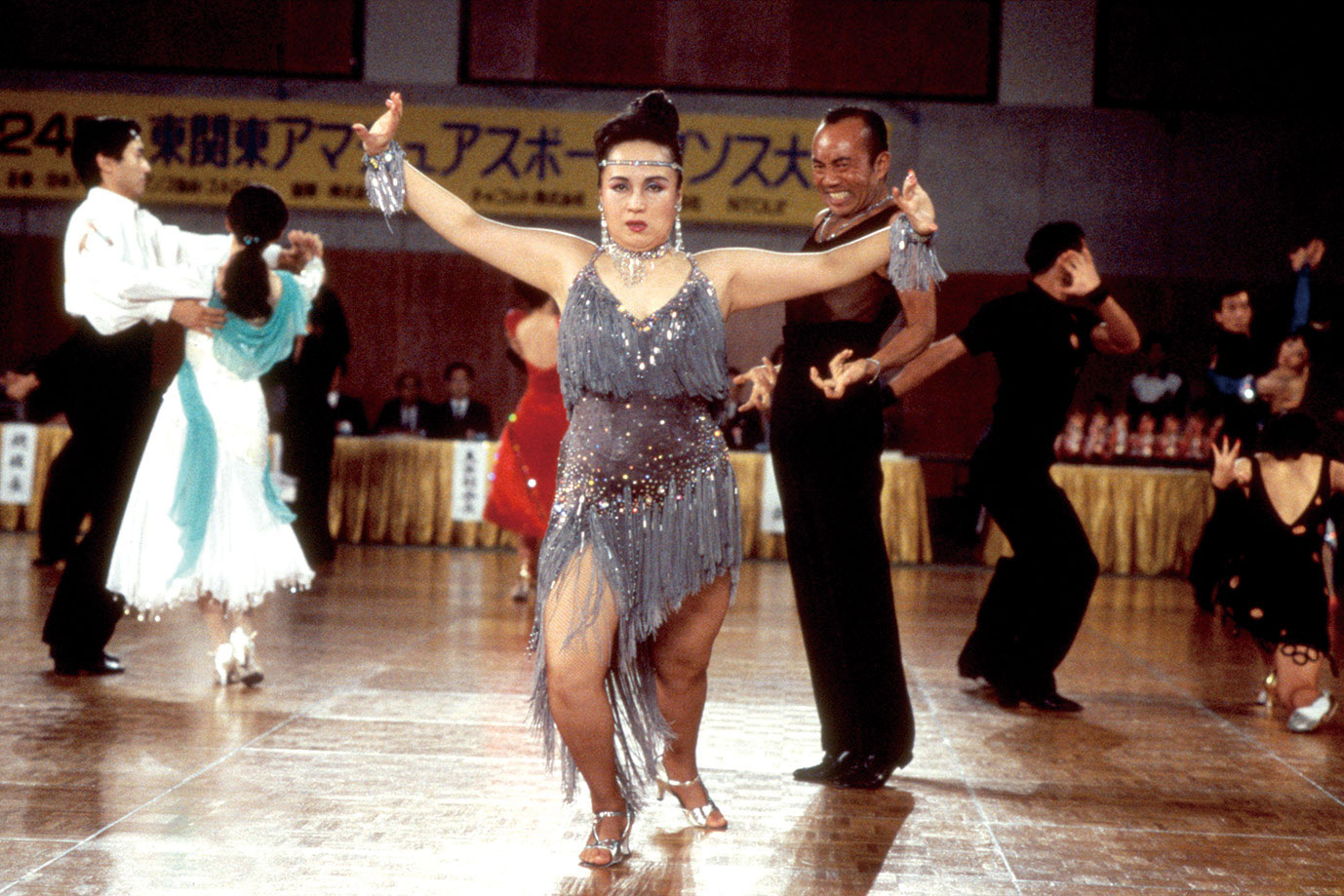
The film itself reflects openly on the bond between Japanese dancers and those in the predominantly working class competitive ballroom scene in Britain via some gorgeous shots on location in Blackpool’s Tower Ballroom. It’s an unlikely pairing, but both cultures, in the 20th century at least, showed a common urge to domesticate cultural forms from around the world, for better or worse. Most ballroom steps originate from popular dances in South America or the Western Mediterranean, however in order to make them an acceptable public entertainment the British codified them, removing improvisation and limiting the all too apparent sexuality from dances like the Argentina tango. In doing so they made a demure and controlled image of themselves in contrast (and by implication superior) to the overly passionate Latins. The Japanese urge was similar, looking back towards the west and the influence of gaijin on their society. As Karatsu puts it:
The British working class’s emotional and expressive practices and social arts have been categorized, homogenized, and transformed into commodities suitable for Japan’s consumption.
This is all very much on the surface in Shall We Dance?. The name itself, printed as Shall we ダンス? on the original Japanese poster, refers to a song from the famous/infamous orientalist fantasy musical The King and I. As unlikely as it might seem, in ballroom dancing the competing ethnocentric forces of British and Japanese popular culture somehow arrived at exactly the same spot. Suo handles this cultural dialogue skillfully; so skilfully in fact, via his mastery of the rom-com genre, that the film translated to the USA as well, leading to a full remake with Richard Gere and Jennifer Lopez in 2004. Perhaps this peculiar habit in our cultures is part of our embarrassment when approaching ballroom dancing. It is after all a pretty strange thing to do! Blues and jazz are another area where our two countries have absorbed and remade cultural forms from a distant culture, occasionally with cringe-inducing results.
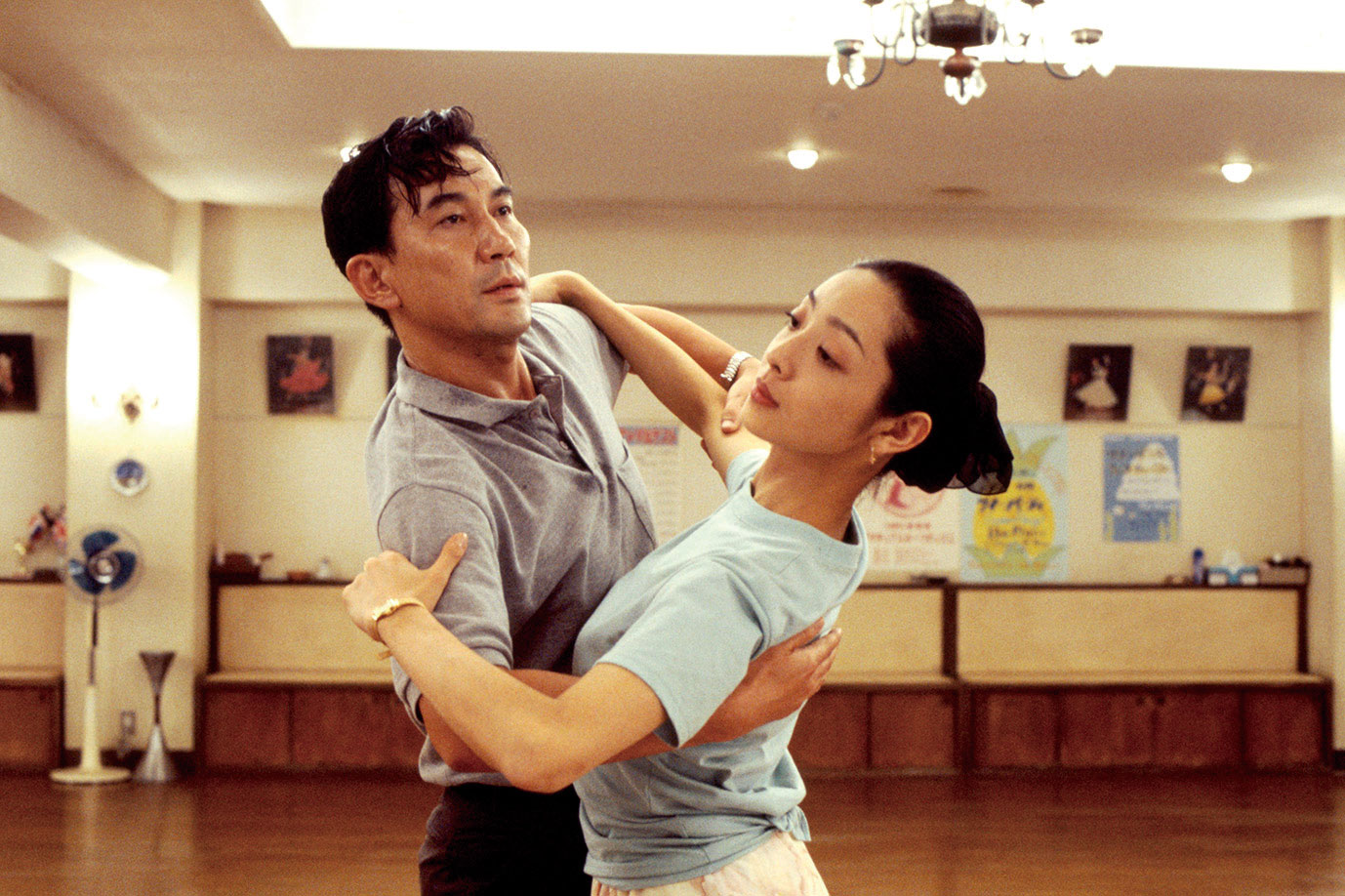
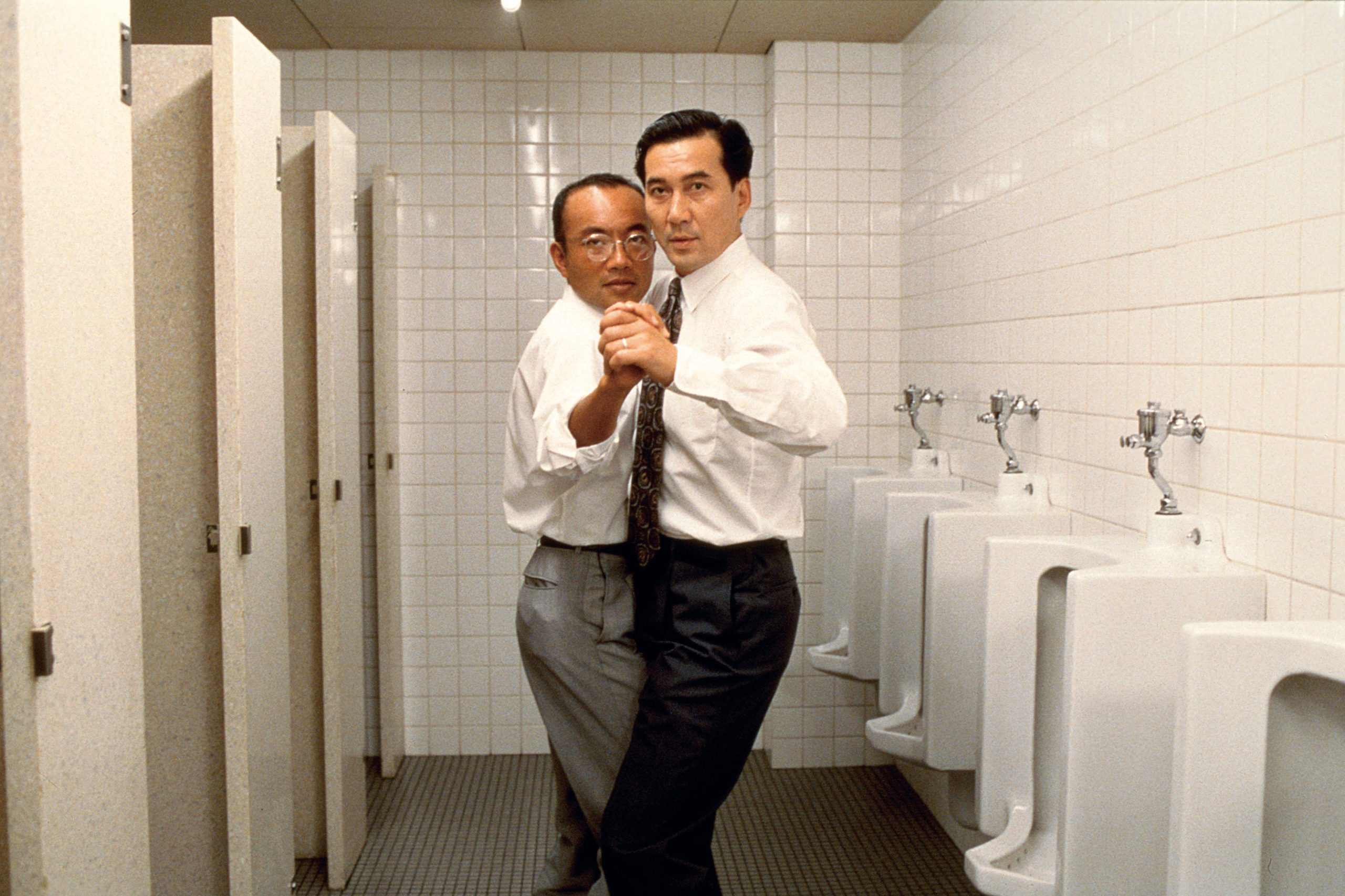
The actors of Shall We Dance clearly felt this when beginning the project. In interviews both Kōji Yakusho and Naoto Takenaka (the glorious, scene stealing Mr Aoki) spoke about their feelings of embarrassment and nervousness when entering the dance studio for the first time to rehearse. The physical tension of Yakusho in particular, as he makes the life changing decision to leave his commuter train and walk up the stairs for the first time, is tangible. There’s something quite sweet about the film’s depiction of masculinity here. The laughs extracted from Yakusho and Takenaka’s struggles with their nerves, their worries about what people think of them or how they appear, their anxieties about their responsibilities are cathartic. These are anxieties born of pressure which the joy of dance makes mutable, for them and us. As Mr Aoki tells Mr Sugiyama, dance changes you, “but you’re always the last one to notice”.
What you will find here here is a touching, thought provoking and extremely funny movie, well worth your time, whether you are ballroom pro, or just merely a humble commuter, gazing longingly out of the window of your train each evening, wondering if you have the courage to try something different.